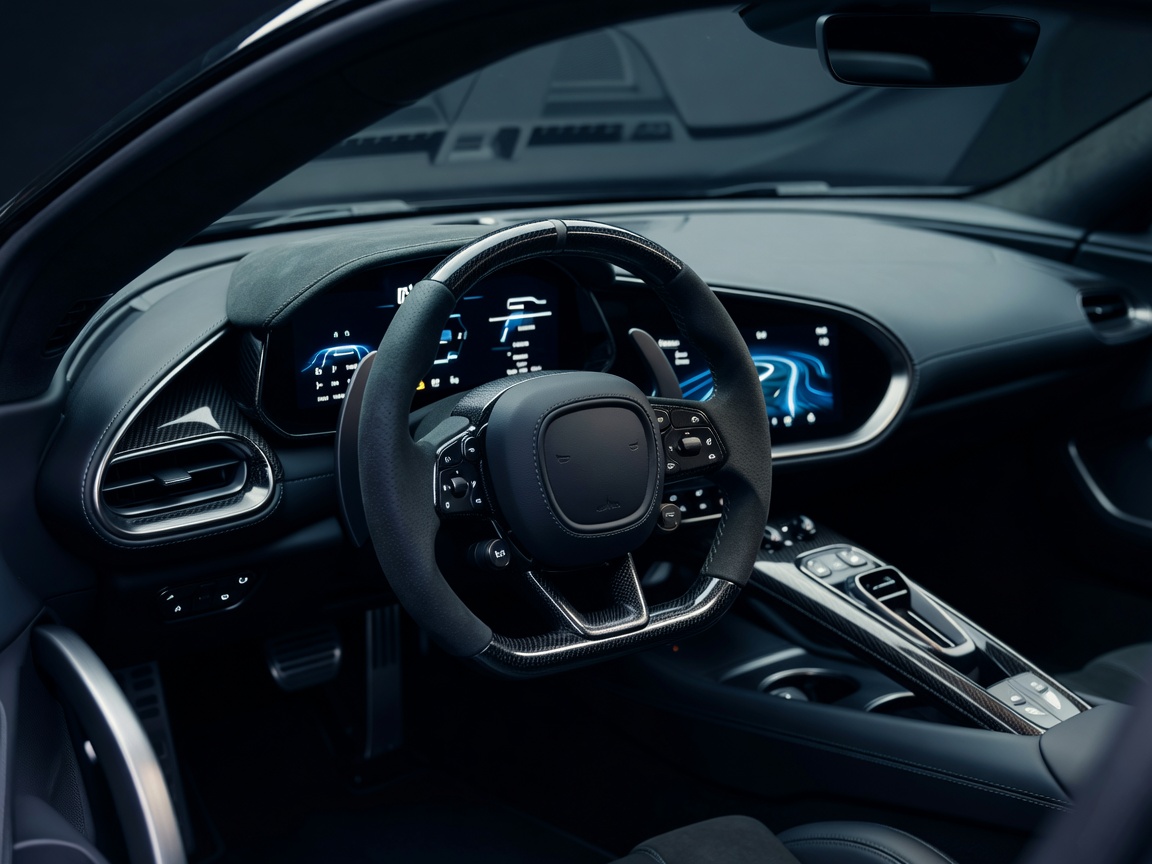
The transition into high-performance electrification has redefined supercar cornering capabilities. By pairing high-revving naturally aspirated internal combustion engines with independent front-axle electric motors, engineers have solved the age-old dilemma of understeer in heavy mid-engine layouts.
Millisecond Torque Redistribution
On technical asphalt sections like the sharp hairpin turns entering Mellieħa or Victoria Citadel, traditional mechanical differentials require rotational wheel slip before transfer occurs. Dual electric motors on the front wheels eliminate this delay entirely.
"Electric front motors deliver negative drag torque on the inside wheel while over-speeding the outside wheel, pulling the nose directly into the apex."
Maintaining V12 Acoustic Grandeur
Purists often feared hybrid powertrains would dampen exhaust sonics. In practice, the e-motors fill lower-RPM torque gaps, permitting engineers to tune the physical V12 exhaust headers for maximum high-frequency harmonic scream at 9,500 RPM.